Side Event at the margins of the Conference on Public Health in Africa (CPHIA) 2025
24 October 2025.
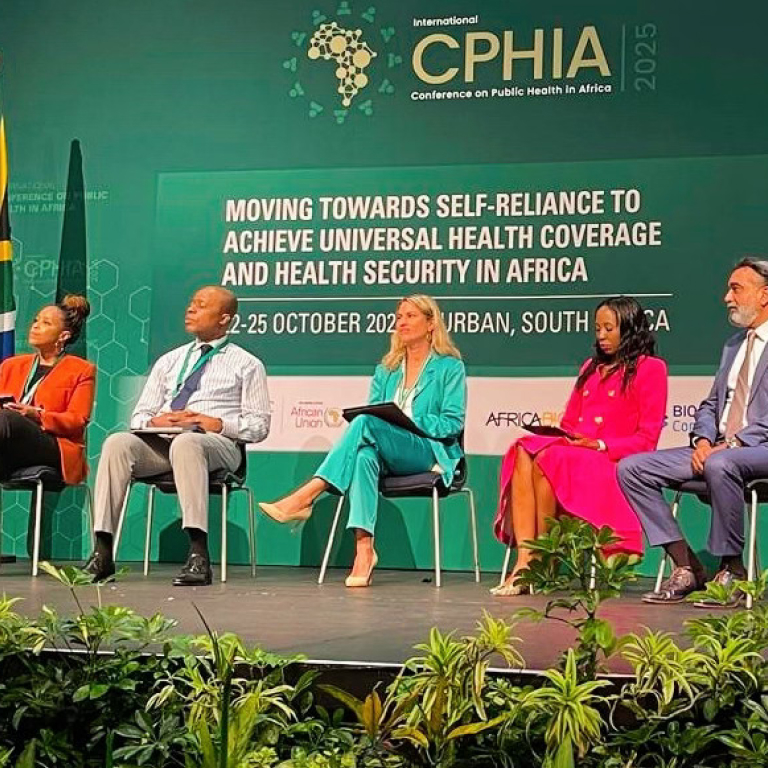
Durban, South Africa, Africa’s journey towards a safer, healthier and more resilient continent requires more than commitments it requires partnerships that deliver. This was at the heart of the side event “Shaping Respectful and Action-Oriented Partnerships for a Safer and Healthier Africa,” convened on the margins of the Conference on Public Health in Africa (CPHIA) 2025 in Durban, South Africa.
The conversation aligned closely with the vision of the New Public Health Order (NPHO), which calls for a transformation in the way Africa builds and manages partnerships. Rather than partnerships that are activated only during crises and disappear once emergencies subside, Africa needs collaborations that strengthen institutions, invest in communities, empower young people and continue delivering value long after an emergency has ended.
From Commitment to Action
The COVID-19 pandemic demonstrated both the power and limitations of global and continental partnerships. At a time when health systems were under unprecedented pressure, collaboration between governments, institutions, development partners, civil society, communities and young people proved essential in responding to the crisis.
Yet the pandemic also exposed a fundamental challenge: many partnerships were designed around emergencies rather than long-term systems transformation.The side event therefore challenged stakeholders to consider a critical question: How can Africa build partnerships that remain relevant and impactful beyond moments of crisis?
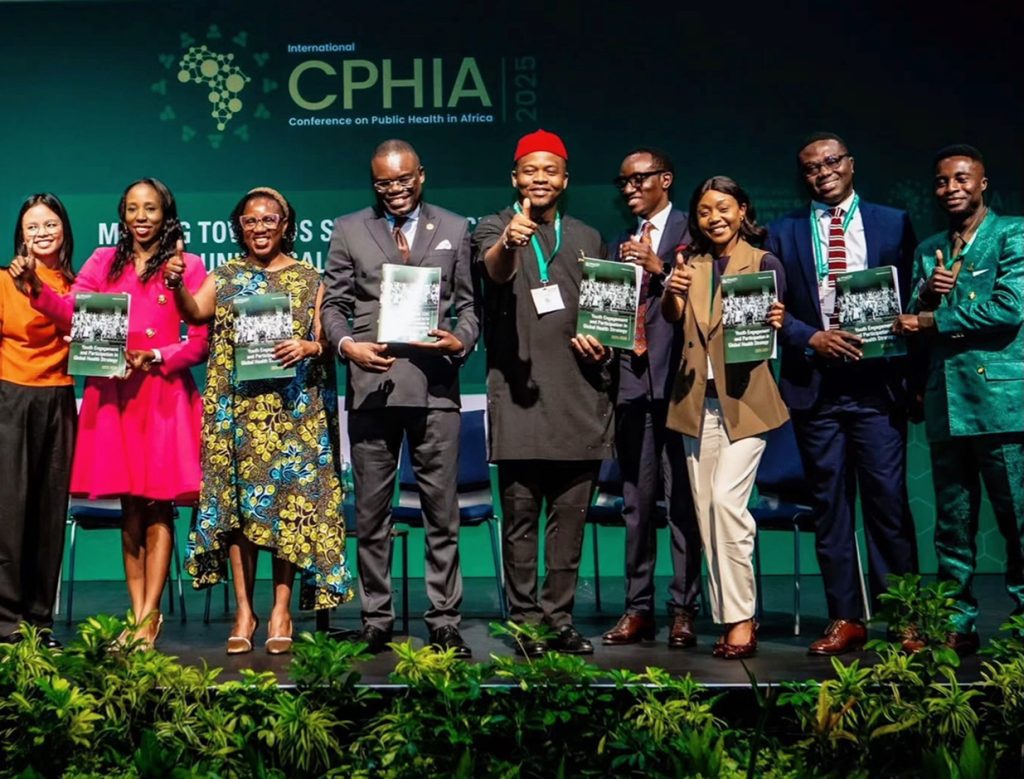
‘We have much to learn from young people, I call on them to speak boldly and help shape the future of public health in Africa’, Dr.Jean Kaseya, Director General, Africa CDC.
The Director General pledged to meet quarterly with the Youth Advisory Team for health to ensure youth perspectives inform decisions at the highest levels of public health leadership.
‘We cannot build community trust without engaging our communities and young people are the bridge , That’s why they must be at the center of our public health agenda.’ Dr. Chrys Promesse Kaniki , Senior Technicak Advisor Programme – Youth Programme Lead ,Africa CDC.
The Power of Youth Partnerships
A key dimension of sustainable health partnerships is meaningful youth engagement.
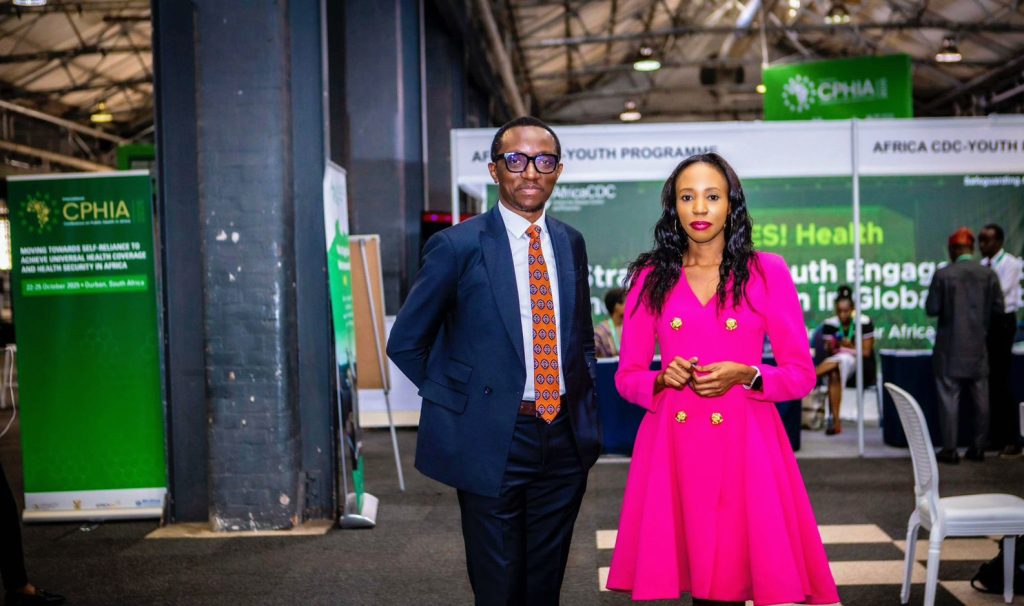
For Ms.Petrider Paul, Founder of Imara Leadership Initiative and an Africa CDC East Africa Bingwa, the Africa CDC #BINGWA initiative provides a powerful example of what is possible when young people are trusted, equipped and meaningfully integrated into health-security efforts.Reflecting on his experience, Ms.Paul emphasised that youth partnerships can generate value well beyond the emergency that initially brings partners together:
“I am a beneficiary of Africa CDC BINGWA, a model example of sustainable youth partnership with GIZ and the African Union. We saved lives during the #COVID19 pandemic, and we continue beyond the emergency setting to generate long-term returns for healthier and safer communities.”
This experience reinforces a broader lesson: investing in young people should not be viewed as a short-term response mechanism, but as a long-term investment in Africa’s health security ecosystem.
From Transactional to Transformational Partnerships
For Africa to build resilient health systems, partnerships must evolve.
Transactional partnerships often focus on immediate deliverables, short funding cycles and narrowly defined interventions. While these can be valuable during emergencies, they rarely provide the continuity needed to build lasting institutional and community capacity. Transformational partnerships, by contrast, focus on co-creation, trust, capacity strengthening, knowledge transfer and long-term sustainability.
Ms.Petrider Paul argues that this shift requires partners to work differently:
“We need to embrace sustainable partnerships where we co-work and co-design models, taking the Africa CDC BINGWA initiative, supported by GIZ and the African Union, as an example of how partnerships that meaningfully promote youth engagement can deliver real impact towards healthier and safer societies.”
The experience of Africa CDC BINGWA demonstrates the importance of creating platforms where young people are not only mobilised during emergencies but are supported to remain engaged in public health, preparedness, advocacy and community resilience afterwards.
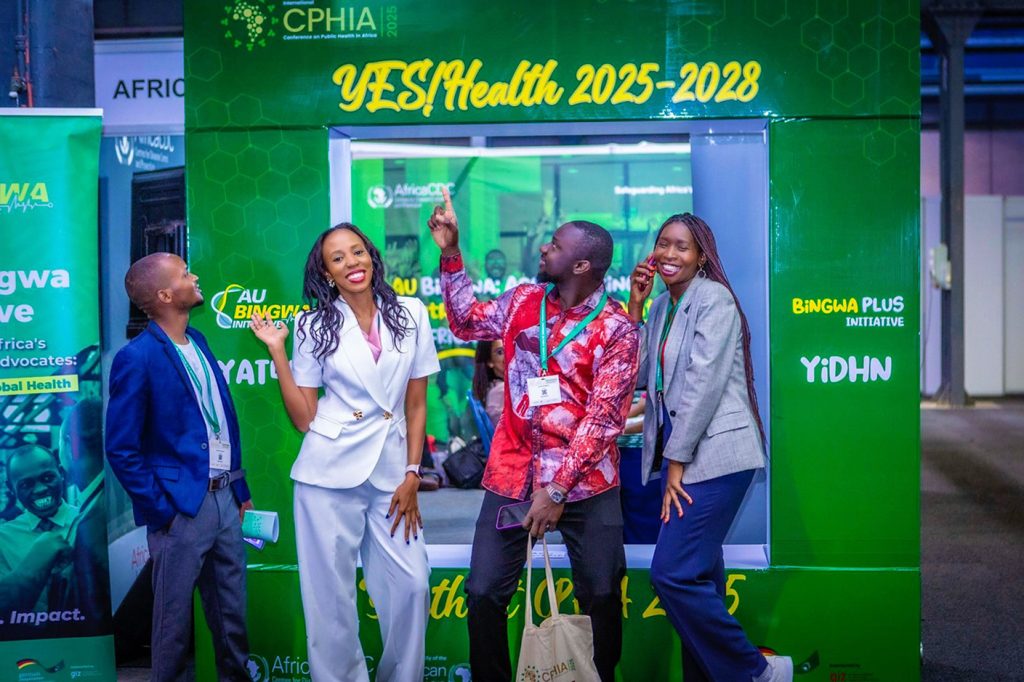
The future of Africa’s health security cannot depend on partnerships that emerge only when a crisis begins.
The lessons of COVID-19 make clear that preparedness must be continuous. Communities require trusted health communicators before outbreaks occur. Young people require skills and networks before emergencies happen. Institutions need strengthened systems before they are tested. And partnerships must be established and nurtured before the next crisis emerges.
This means investing in partnerships across the entire health-security cycle from preparedness and prevention to response, recovery and resilience.
It also means ensuring that partnerships remain aligned with the priorities of African Union Member States and the realities of communities.
About Imara Leadership Initiative
Imara Leadership Initiative is a youth led NGO operating in the Republic of Ghana and The United Republic of Tanzanua to empower communities through ethical leadership that advances good governance, gender equality, health, economic empowerment, peacebuilding and climate action.
For partnerships and inquiries information please contact us via
Ms. Sarah Ernest Masuma | E-mail: info@imaraleadership.org